

About the work behind cryofract
We write down the rental sequence that locals never explain, then turn it into a briefing you can use before the desk opens.
This page is about method, not marketing. You will see how the project began, how notes are checked, how a consultation is built from a first message, how we ask travellers to treat shared streets, and which kinds of partners we will and will not work with.
Origin
Why this project exists
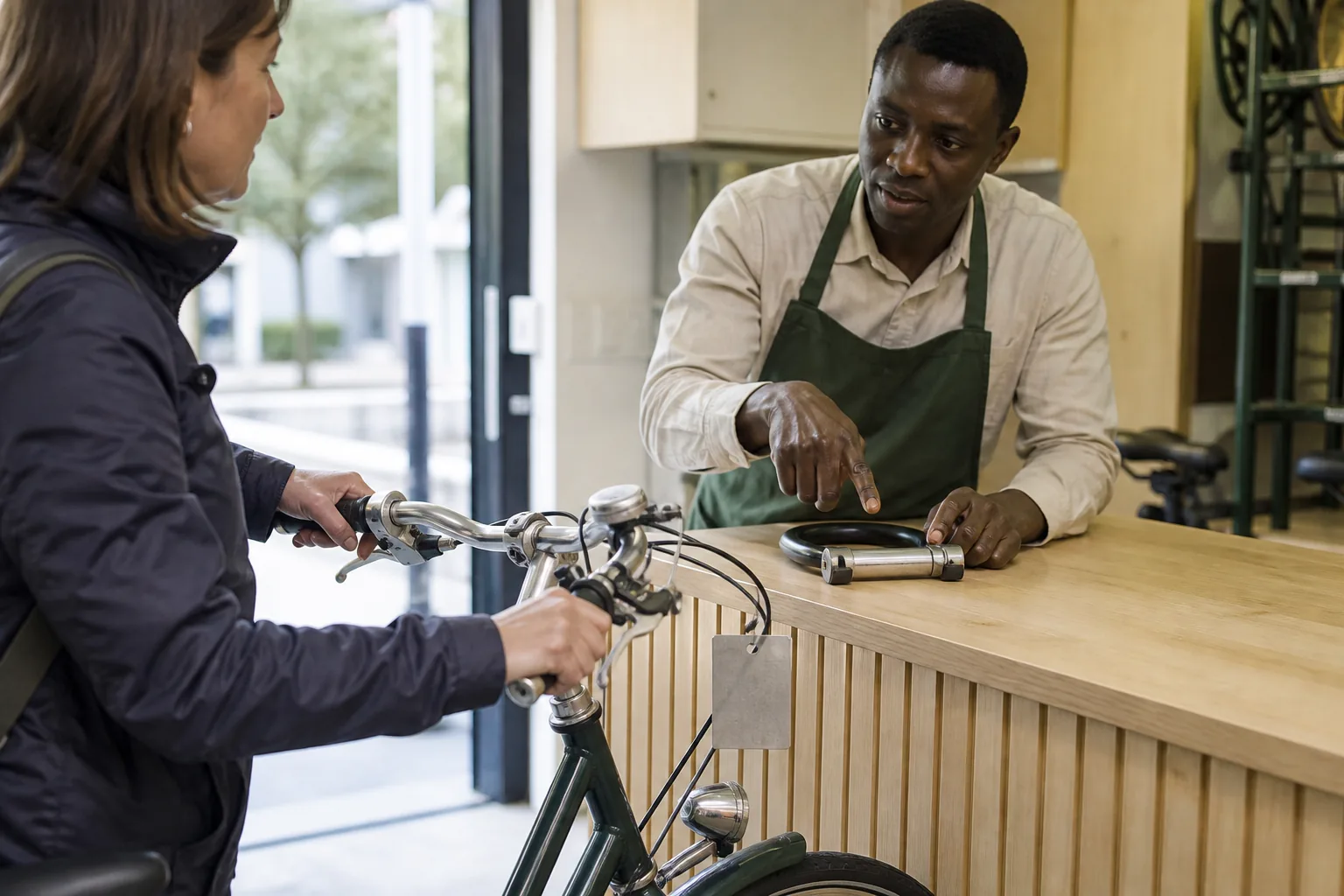
cryofract began after the same pattern kept repeating on trips that were otherwise carefully planned. A visitor collected a rental bicycle, rolled into traffic within a minute, and discovered that the painted lane ended, the lock did not close the way the clerk had gestured, or the return dock was full. The maps were fine. The unstated order was missing.
We stopped treating the bicycle as a scenic shortcut and started treating it as its own stretch of the itinerary. That meant watching desks the way a reporter watches a courtroom: who speaks first, what is assumed, what is written on a sticker no one reads, and what happens when the clock is already running.
The theme is narrow on purpose. We do not cover long-distance touring, racing, or fitness. We cover the hours between picking up a machine you do not own and giving it back without becoming an obstacle for the people who use that street every morning.
From that focus came the briefings you see on the site: desk comparisons, first-minute habits, locking for a short stop, and returns that leave the next rider room to move. Consultations follow the same spine. If a bicycle is a poor fit for the streets you will meet, we say so before you book the desk.
Editorial approach
How we gather and check what we publish
Every public note starts with a live desk or dock. We rent the bicycle ourselves, write the sequence as it actually unfolds, and keep the language concrete: which lever, which form, which side of the stand. Second-hand tips without a source stay in the draft pile.
Before a page goes live, a second consultant tries to break the draft. They look for steps that only work on one brand of dock, phrases that sound like guarantees, and advice that would push a visitor onto a sidewalk. If a claim cannot be rechecked on a later trip, it is cut or marked as a pattern, not a rule.
We also read the operator’s own posted terms on the day of the visit. Opening hours, damage lists, and return windows change. Our articles describe habits that travel well; they never replace the sheet taped to the counter you will stand at. When our notes and the desk disagree, the desk wins, and we update the briefing.
Partner quotes and guest observations are labelled as such. We do not invent case studies, and we do not polish a confused first ride into a success story. If the useful lesson is “walk the market square,” that is what we publish.
Consultation path
From first message to a usable plan
A consultation is a written order of actions for your rental hours, not a packaged tour and not a live guide on the street.
-
1. You describe the desk you expect
Tell us whether you are aiming at a timed city dock, a day counter, or a multi-day tourist shop. Add how much recent riding you have done and whether you will be alone or with someone walking part of the way. Vague requests get clarifying questions before we draft anything.
-
2. We map the first hour, not the whole city
The plan starts at the stand and ends at a realistic return window. We mark places to dismount, where a short lock-up is likely to be accepted, and where a painted lane usually disappears. Long scenic loops wait until the first return has been rehearsed on paper.
-
3. You receive a checklist you can hold at the desk
The deliverable is a short sequence: questions to ask before you roll out, checks on the machine, habits for the first minute, and a return buffer. You can print it or keep it on your phone. It is meant to be used with the clerk present, not as a substitute for their instructions.
-
4. We leave room for the day to change
If weather, a closed dock, or a different bicycle appears, the plan names what to re-confirm on the spot. We do not pretend the street will match last year’s notes. The point of the briefing is to keep you from improvising under pressure.
Shared streets
How we ask travellers to treat the place
“If the ride makes you the person everyone else has to steer around, it is not a successful visit — even if the photos look calm.”
We borrow that line in briefings because it names the real harm: blocking a ramp, ringing through a crowded plaza, or locking a frame to a railing that staff need clear. A rental bicycle is temporary access to someone else’s daily route. The ethics are simple: stay readable, yield early, and get off when the street becomes a crowd.
We also ask clients not to treat local riders as scenery or as unpaid guides. Asking for directions is fine. Stopping in the middle of a protected lane to unfold a phone is not. When a desk has a clear return rule, following it is part of respecting the next person in line, not a bureaucratic detail.
Nothing on this site is a claim about health, fitness, or personal safety limits. Questions about load, weather exposure, or whether a ride suits your body belong with qualified specialists. Our job is the order of the rental, the lane, and the return.
Partnerships
Who we work with, and how we choose them
We collaborate with a small set of research desks and briefing cooperatives. Names below are working partners we use for cross-checks; they are not booking engines and they do not sell rides through this site.

- Harbor Dock Briefing Cooperative
- Shares field notes on timed docks and full-return patterns. We use their logs to test whether our first-hour buffers still hold when afternoon stands fill early.
- Street-Share Observation Desk
- Watches merge points where painted lanes end. Their sketches help us describe where visitors should take the travel lane or dismount instead of inventing a path along shopfronts.
- Day-Counter Clerk Archive
- Collects anonymised phrases clerks actually use when handing over locks. We translate those into plain questions travellers can ask before the queue presses forward.
We decline partners who want guaranteed ride counts, who ask us to hide return risks, or who treat shared streets as a backdrop for aggressive promotion. A partnership has to survive the same editorial checks as our own pages: concrete, current, and honest about friction.
Contact Us about a rental briefing
If you already know which kind of desk you will use, send that detail with your questions. We will reply with the next step for a consultation or with a clear note if a bicycle looks like a poor fit.
Contact UsWhat to include
Desk type, how soon you travel, and how comfortable you are riding in mixed traffic. You do not need a finished itinerary. A short, specific message is enough to start.
Reading
Continue with the article shelf
Longer pieces walk through desk checks, lane endings, first-hour routes, and returns without repeating the homepage summaries.
Please read this before you decide anything
cryofract provides knowledge about rental bicycles during travel and offers consultations on that part of a trip. The materials on this site are meant to help you understand how desks, lanes, locks, and returns usually work. They describe patterns we have seen; they are not a substitute for the rules posted at the rental desk you will actually use.
Road conditions, opening hours, docking maps, and what staff will accept as a return change between trips and sometimes between mornings. Confirm those details again with the operator on the day, even if you have ridden a similar bicycle elsewhere.
Questions about fitness, load, weather exposure, or safety on the road belong with qualified specialists, not with a travel briefing site. We do not treat cycling as a health plan and we do not assess whether a ride is suitable for your body.
Any decision you make — to rent, to ride a given street, to lock in a given place, to return late or early — is yours. cryofract is not responsible for fines, damage charges, missed returns, collisions, or other outcomes that follow from those decisions.